How People Can Take Back Power in a Digital World
How People Can Take Back Power in a Digital World
We live in a world powered by technology. We trust digital systems with our money, our identities, our messages, and our work. Banks run online. Governments store records digitally. Companies sign contracts with a click.
Yet when it comes to democracy the system that decides how all of this is governed. We are still using outdated methods. Limited participation. Slow feedback. Decisions made far from the people they affect. This gap is not technical. It is political. It is strategic by those in power!
Around the world, authoritarian systems are growing stronger. They control information, silence opposition, and concentrate power. Many use technology to watch, manipulate, and divide people. But here’s the truth they don’t want us to see:
The same digital tools used to control “US” can also be used to organize “US” and control them.
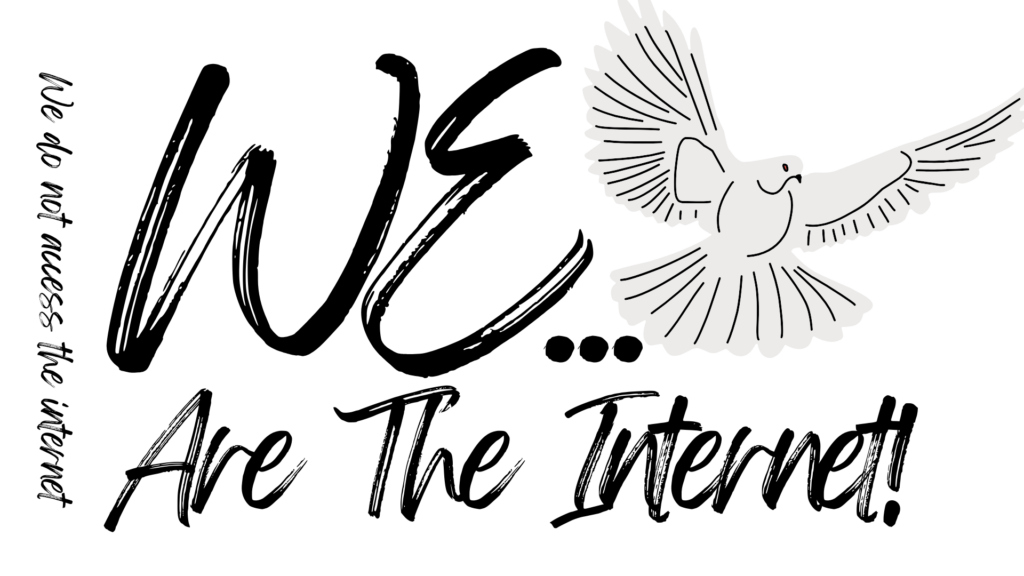
We DO NOT access the internet, WE Are The Internet! The internet does not gain access to us without our permission and the actions we perform when we use our devices. “Every Social Media Platform is VIRTUALLY WORTHLESS, without us! We need to act like it, we need to control it, we must assert dominion upon OUR internet.
Civic Tech: Democracy Built by the People
This is where civic tech comes in. Civic tech is the space where technology meets civic engagement. It’s driven by the idea that people don’t have to wait for governments to fix broken systems. Citizens can identify what isn’t working in democracy and use technology to improve it. You don’t need to be an expert. With basic digital skills and imagination, anyone can contribute.
Real Examples from Around the World
This isn’t a theory. It’s already happening.
In Tunisia, an initiative led by Imen Ghedioui uses chatbots and crowdsourcing to help citizens engage with public policy. People get information faster, decision-making becomes more efficient, and elected officials are more responsive. Citizens feel empowered because their voices actually matter.
Across cities like Barcelona and New York, open data platforms allow people to see exactly how public money is spent. When citizens can track budgets and spending, corruption becomes harder to hide. Studies show that cities using open data see significantly higher civic engagement because people feel informed and involved.
In the United States, digital platforms like Vote.org have made it easier to register to vote and access election information. As a result, youth voter registration has increased dramatically, proving that when participation is easier, democracy becomes stronger.
Impact at Every Level
At the local level, digital democracy helps communities solve real problems faster school funding, housing, transportation, and public safety.
At the national level, it increases trust, reduces corruption, saves money, and forces governments to respond to citizens instead of ignoring them.
At the international level, citizen-led digital democracy creates something new: a global network of people who share values, coordinate actions, and support each other beyond borders.
This is especially important now.
The Authoritarian Moment and the People’s Response
When citizens unite online across regions and countries they become harder to silence. They can share information, apply economic pressure, demand accountability, and support democratic movements wherever they emerge. Power today flows through digital networks. That means people, when coordinated, are the real superpower.
The Path Forward
Citizen-Led Digital Democracy offers a way forward that doesn’t rely on violence, elites, or waiting for permission. It turns everyday digital actions into democratic participation. Citizen-led digital democracy is already saving money, increasing participation, and transforming how societies function. The tools exist. The examples exist. The need is urgent.
The only remaining question is simple:
Are we ready to unite online and use our collective power to defend freedom, stop authoritarianism, and shape a more democratic future together?
Join us on Feb. 4, 2026 for our live feed where we clearly demonstrate exactly how the pro-freedom and democracy citizens of the world will become the most powerful and influential democracies in the history of history!
Democracy is dead… Long Live Online Citizen-Led Democracy!
Writer: